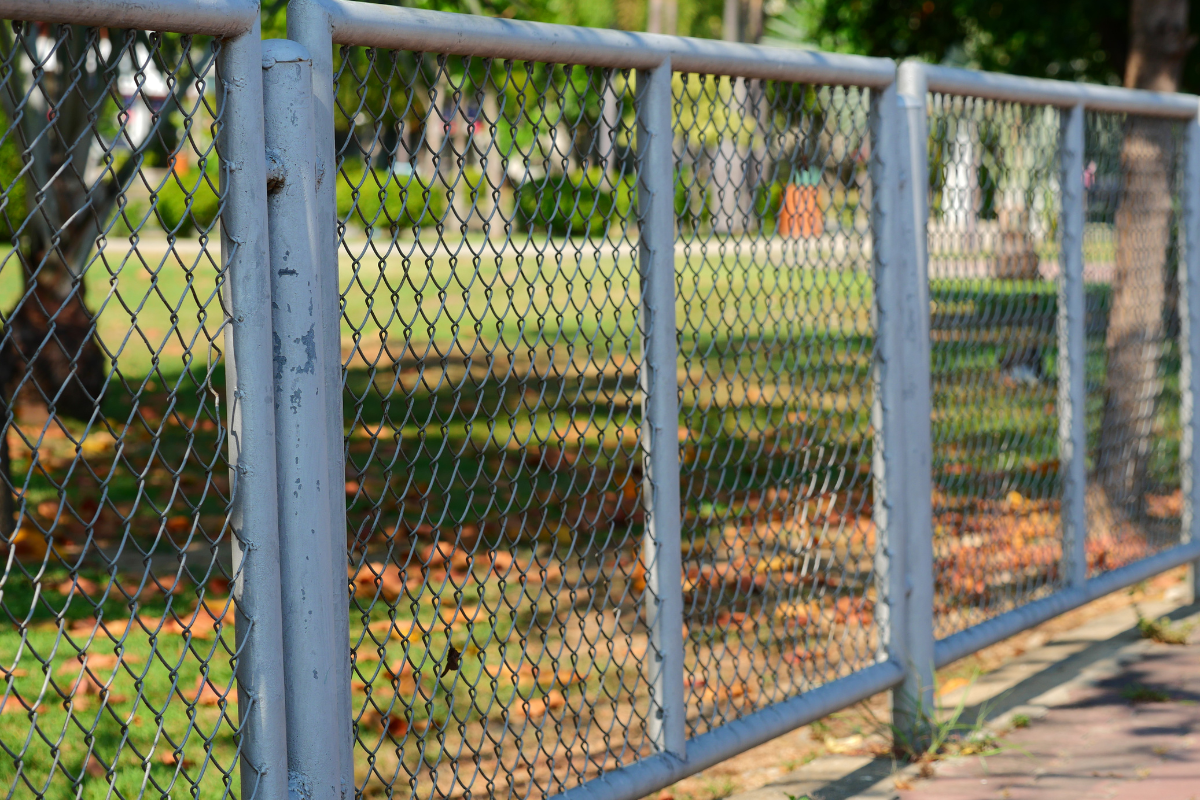
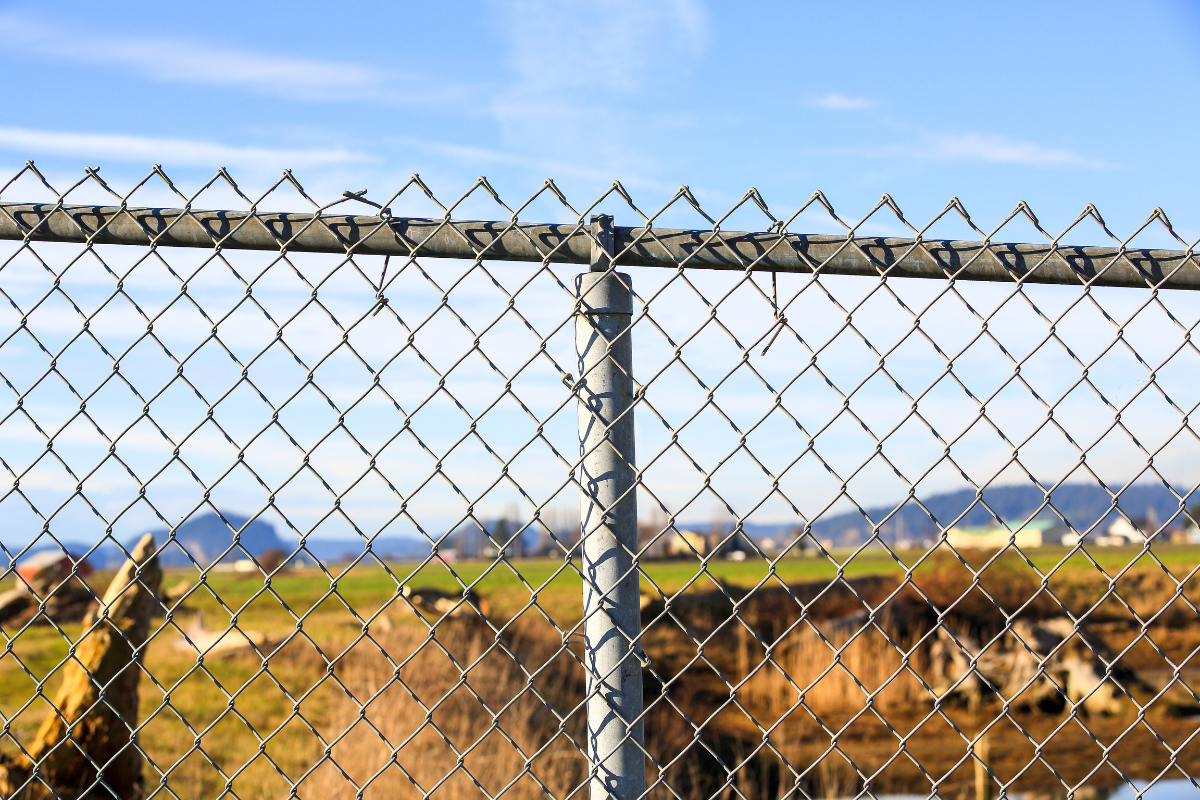
A gate sets the tone for a property before anyone touches a doorknob. If the fence is the frame, the gate is the handshake. With chain link fencing, that handshake can be tough, economical, and surprisingly refined when a custom gate is part of the design. I have spent years walking sites with owners who thought chain link meant a single look: galvanized, silver, and strictly utilitarian. They were always relieved to learn how adaptable the system becomes once you pair the right fabric, framework, and hardware with a gate that suits the job.
This article walks through how to plan, design, and build custom gates within a chain link system for homes, businesses, sports facilities, and secure sites. It draws on the practical details that decide whether a gate swings freely for ten years or drags after the first hard winter.
Why custom gates matter in chain link systems
Chain link fencing remains popular for a reason. It is cost efficient, quick to install, easy to repair, and strong enough for most perimeter needs. Where projects rise or fall is the entry point. A gate faces more stress than the run of fence. It carries its own weight, endures constant motion, takes hits from vehicles, and often houses access control. When a standard stock gate does not fit the width, grade, or duty cycle, shortcuts show up fast: sagging leaves, misaligned latches, bent frames, or a post that walks out of the ground.
A custom gate removes those compromises. Width, height, frame schedule, post size, bracing pattern, hinge type, and latch hardware can be tuned to the site. If the property needs a 17 foot clear opening for delivery trucks, you can build a bi‑parting pair with central drop rods and ground sleeves. If the driveway pitches three inches from side to side, you can specify an uphill hinge to track the slope. If a ballfield needs a 12 foot rolling gate that stays clear of spectators, a cantilever design avoids ground tracks. Good chain link fencing services start by mapping these realities, then building the gate to live with them.
Sorting the gate types
Most chain link fence installation projects call for one of five gate styles. The right choice depends on clear opening, space to operate, grade, and traffic.
- Single swing. Clean and simple for openings up to about 6 to 8 feet. A well built single swing gate on 2 3/8 inch schedule 40 posts with pressed steel or heavy barrel hinges will serve most yards and side entries. Go wider and the leaf gets heavy, which invites sag unless you add diagonal bracing, a mid‑rail, and a deeper post footing. Double swing (bi‑parting). The go‑to for driveways and service yards. Each leaf carries half the width so you can reach 12 to 20 feet without oversizing the frame tubes. Plan for a cane bolt or drop rod into a ground sleeve at the center. If vehicles will cross frequently, set the sleeve with a removable cap and flush finish so tires do not pound a raised collar. Cantilever slide. Best for busy commercial drive lanes where a swinging arc would block parking or sidewalks. The gate rolls on two or more truck assemblies mounted to a robust support post, with a counterbalance tail that equals roughly 40 percent of the opening width. A 20 foot clear opening needs about 28 feet of gate frame. This style avoids ground tracks, which is helpful in snow country or gravel yards. Track slide. Useful when you lack room for a counterbalance tail. A ground track carries the load, with V‑groove wheels on the gate leaf. It costs less than cantilever but needs maintenance to keep the track free of debris, ice, and sand. I seldom recommend it for sites with plows. Rolling chain link panels for fields and parks. Think of the big portable gate that slides along a fence line on rear casters. It is a practical way to gain a wide opening without heavy structural posts. Not a fit for high security, but great for ballfields and seasonal access.
A knowledgeable chain link fence contractor will walk the site and plot how vehicles and pedestrians move. If you have to park a service truck close to the hinge post, that swing path matters as much as the clear width.
The anatomy of a durable gate
Frames, posts, fittings, and hardware do the heavy lifting. There are rules of thumb, and there are edge cases born from poor soil, high wind, or heavy use. The recipes below come from jobs that held up for a decade or more without surprises.
Start with the posts. For residential single swing leaves under 6 feet, a 2 1/2 inch outside diameter post in schedule 20 or 30 often suffices, set at least 30 inches deep with an 8 to 10 inch diameter footing. For wider gates, or any commercial duty, step up. A 3 inch or 4 inch OD schedule 40 post with a 12 to 16 inch footing, 36 to 48 inches deep, resists racking and frost heave. On cantilever systems, the support posts typically jump to 6 5/8 inch OD or more, set deep with a larger bell at the base. When a gate sags, the culprit nine times out of ten is an undersized hinge post or a shallow footing rather than the frame itself.
Gate frames benefit from thicker wall pipe. A common spec is 1 5/8 inch or 2 inch OD tubing in schedule 20 for light residential. For commercial widths, move to SS40 or schedule 40. Diagonal bracing from hinge side bottom to latch side top resists sag, and a mid‑rail helps prevent fabric creep over time. Welded corners add rigidity, but in galvanized systems, welded joints need proper cold galvanizing or powder touch‑up to guard against rust at the heat‑affected zones. Many chain link fence companies assemble frames with pressed or cast corner fittings and through‑bolts to keep galvanization intact from the factory. Both approaches work when detailed correctly.
Hinges and latches make or break day‑to‑day performance. Pressed steel or malleable iron butt hinges do fine for yard gates. For heavier leaves, I prefer adjustable industrial hinges with through‑bolts, grease fittings, and ample vertical adjustment. That adjustability matters when a driveway settles a half inch over the first winter. Latch hardware must match the site: simple fork latches with catch posts for residential, lockable slide latches with internal rods for commercial, or panic‑grade exit hardware where codes require egress. For child safety near pools, self‑closing hinges paired with magnetic or mechanical self‑latches sit at 54 inches or more above grade to discourage little hands. A good chain link fence installation crew will verify heights and latch types against local pool codes before ordering hardware.
Fabric and finish decide how the gate looks and how it weathers. Traditional galvanized fabric is still king for value. Vinyl‑coated fabric in black, green, or brown changes the visual weight and blends better with landscaping. When both the gate frame and the run of fence use vinyl‑coated fabric and color‑matched fittings, the whole system reads polished rather than industrial. In coastal or chemical environments, aluminized fabric or hot‑dip galvanized frames extend service life by years. Powder coated frames over galvanized steel hold color well if the prep is right, and they pair nicely with colored fabric for projects that need a cleaner presentation at street fronts.
Matching gate design to site conditions
Every property has quirks. Here is how the details shift when those quirks show up.
On grades, a swing gate either rises with the slope or it does not. If a driveway climbs perpendicular to the fence line, a standard level‑hung gate will dig into the asphalt. You can hang the leaf to follow the uphill grade using adjustable hinges that tilt the barrel, or you can step the hinge post height and build the frame in a parallelogram to match the rise. The choice depends on how steep the slope is and how important a tight bottom gap is to the owner. If the grade drops away, many clients accept a larger bottom reveal rather than scraping every time it closes.
High wind calls for balance. Solid infill gates act like sails, which is why privacy slats change the math. If the fence uses slats, increase post size and footing. Add more robust bracing inside the gate frame. For cantilever systems in gusty areas, plan for additional truck assemblies and heavier wall steel. On a field near the coast, we combined black vinyl fabric with wind‑permeable slats that cut drag by about a third compared to standard flat slats. The client kept the privacy look without overbuilding the structure.
Limited space pushes projects toward slide gates. I once replaced a double swing setup at a warehouse apron with a 24 foot cantilever gate because the swing leaves kept clipping parked trailers. The new gate cleared the path to the docks and cut accidents to zero. The cost was higher upfront, but the payback was obvious in fewer bent frames and fewer service calls.
Security needs shift hardware choices. Add welded wire mesh to the lower 4 feet if you want to prevent footholds. Use drop rods shielded by ground boxes and lock guards on latches. On high‑security perimeters, place anti‑ram bollards just inside the gate area to take a hit rather than letting an impact load transfer to the hinge post.
The build sequence that avoids callbacks
Many callbacks come from a rushed sequence. When a chain link fence contractor follows a disciplined order of operations, the gate works from day one and keeps working after the first freeze and thaw.
- Layout and verification. Measure the clear opening after any curbs or edges are poured. A one inch misread here becomes an all‑day hinge adjustment later. Footings first. Set hinge and latch posts to spec, always deeper and wider than line posts. Check plumb from two directions, then set a temporary brace while the concrete cures. In frost zones, bell the bottom or use a larger pad to resist heave. Frame fit‑up and hardware prep. Build or assemble the gate frame while posts cure. Pre‑hang hinges and latch plates to the frame so you can take measurements for center stops and ground sleeves with real hardware in hand. Hang and test swing or roll. Hang the leaf and cycle it twenty to thirty times. If it is a double swing, test both leaves alone and together to confirm the center close lines up without forcing it. For slides, roll the leaf through full travel and check that the tail clears any obstructions. Fabric stretch and finishing touches. Tie chain link fabric starting at the hinge side, pulling to the latch side for swing gates. On slides, pull toward the roller end. Install tension bars and bands first, then space ties every 12 to 18 inches on the frame. Mount latches, drop rods, and any lock hardware. For automation, mount the operator after the manual gate is perfect, not before.
That small detail of cycling the gate before fabric matters. More than once, I have seen crews stretch fabric across a slightly twisted frame, only to fight a permanent bind that fabric ties hold in place. Metal wants to rest where it wants to rest. Let it, then stretch.
Repair, reinforcement, and smart upgrades
Even a well built gate takes hits. The beauty of chain link fence repair is how modular the system is. If a delivery truck bends the latch stile, you can cut out and sleeve in a new section of tube rather than replacing the whole frame. If hinges wear, upgrade to heavier barrels with grease fittings and backer plates. If ground freeze shifts the latch post, a careful excavation and re‑pour with a larger bell footing usually ends the cycle of seasonal drift.
Occasionally the right move is to change the gate style or hardware rather than keep repairing the same failure. At a small distribution yard, a pair of 10 foot swing leaves kept sagging because drivers leaned them open on windy days and the posts twisted over time. We swapped to a 20 foot cantilever gate, pulled the hinge posts, and poured new supports. That one change eliminated monthly service calls. Upgrades like replacing standard fork latches with lockable gravity latches, or adding guide wheels at the latch end of a wide swing leaf, cost little compared to the life they add.
When automation enters the conversation, start with the gate. A misaligned manual gate becomes a cranky automated gate. For swing operators, confirm hinge geometry matches the operator arm stroke. For slides, make sure the rack sits level, the gate rolls true, and the operator platform has a proper pad with conduit for power and controls. Photo eyes, loop detectors, and safety edges are not optional in busy areas. A responsible chain link fence company will commission the operator only after manual performance is flawless.
Materials and finishes that earn their keep
Most owners start by choosing fabric color, but long service life starts inside the tubes and at the finish. Galvanized after welding (GAW) fabric tends to resist red rust better at the knuckles and twists than galvanized before weaving (GBW), especially in wet climates. Aluminized fabric offers excellent corrosion resistance with a slightly different sheen. For frames, schedule 40 hot‑dip galvanized pipe outlasts thin‑wall alternatives in high duty applications. When the budget calls for SS20 or SS30, mind the post and frame sizing so you do not push light wall tubing beyond its comfort zone.
Vinyl coating does more than decorate. The polymer layer buffers minor scratches and helps fabric shed moisture. Black vinyl warms up in sun, which can modestly increase thermal expansion on long slide frames. It is not a problem when you account for it with proper rollers and stops. Powder coat over hot‑dip galvanizing gives the most robust color finish on frames, but it demands careful prep to prevent pinholes and flaking. When a project needs a matched look across the whole perimeter, ordering factory‑coated posts, rails, and gates from a single chain link fence company prevents frustration over slight color shifts between batches.
Fasteners and small fittings deserve attention. Stainless self‑tapping screws on latch hardware help in coastal air. Heavier tension bands on gates keep bars from bowing under pull. I keep a box of aluminum tie wires for vinyl‑coated fabric because galvanized ties on black fabric look like dandruff at eye level.
Budgeting with clarity
Owners often ask for quick numbers. Every market and site varies, but a few ranges help set expectations for materials and labor when you hire a chain link fence contractor.
A basic residential single swing gate 4 to 6 feet wide with galvanized fabric might land in the few hundreds for materials and a similar amount for labor, assuming posts already exist. Double swing driveway gates 12 to 16 feet wide, with proper posts and braces, commonly run into the low thousands installed. Cantilever gates jump because of the tail length, support posts, truck assemblies, and often an operator pad. A 20 foot clear opening cantilever, manual operation, can reach several thousand dollars in materials before labor, and automation typically doubles the installed cost. https://lorenzoyxyp285.theburnward.com/precision-measurements-for-flawless-chain-link-fence-installation Vinyl‑coated fabric, powder‑coated frames, and decorative finials add incremental costs that are easy to justify for curb appeal.
The smart place to spend is underground and at the hinge line. A deeper, larger footing, heavier hinge post, and quality hinges pay for themselves quickly. Skimping there only shifts cost into future repairs.
Permits, codes, and small compliance traps
Chain link gates seem simple until a building official asks about clear egress width or panic hardware. On commercial and multifamily projects, check local codes for exit requirements, fire lane access, and pool safety. Self‑closing, self‑latching hardware at specified heights is mandatory around pools in many jurisdictions. In snow states, fence height limits sometimes include exceptions for sport areas. In urban settings, swing gates must not project into public sidewalks when opened. If you install an automated gate, plan for manual release in power outages and label the release clearly. Many chain link fencing services include permit support. If your contractor shrugs off permits, find another one.
How to choose a contractor for custom gates
Skill with concrete, steel, and site layout matters more than a flashy brochure. A reliable chain link fence company will do a few concrete things before they ask for a deposit. They will measure the site themselves, confirm grade changes, utilities, and obstructions, and put the exact clear opening in writing. They will specify post sizes, wall thickness, footing dimensions, hinge type, latch model, and finish, not just “install gate.” If you want automation, they will coordinate with the electrician on power and controls rather than asking you to guess.
Ask to see a gate they installed three to five years ago, not last month. Time is the judge. Look for sag, scraped pavement, or rust bleed at welds. Listen to how the gate closes. A smooth swing and a clean latch click tell you most of what you need to know about their chain link fence installation practices. Service matters too. A contractor who also handles chain link fence repair will build with the next maintenance visit in mind. They will place fittings so you can replace a hinge without cutting the frame, and they will leave you with a small kit of spare ties and caps.
Real‑world examples that guide decisions
A school district needed a 16 foot opening at a bus yard with limited apron space. The original plan called for double swings, but buses would have blocked half the parking area during the open period. We pivoted to a 16 foot cantilever with a 24 foot frame, black vinyl fabric, and a pedestrian access gate beside it. The tail ran along the fence line without interfering with circulation. Wind was a factor, so we used three truck assemblies and 4 inch schedule 40 frames with a tall latch catcher to hold alignment. After two winters, the operator remains square and the tail wheels show even wear.
On a coastal residence, a 5 foot single swing garden gate kept binding after storms. The hinge post footing was shallow, and the soil was sandy. We replaced the post with a 3 inch schedule 40, set 42 inches deep with a flared base and clean gravel at the bottom for drainage. The new hinges were adjustable with grease fittings. We added a slight uphill hang to clear seasonal sand drift across the path. That small alignment change spared the homeowners weekly shovel duty.
At a manufacturing plant, a 24 foot track slide gate on a ground rail jammed every time ice built up. After two winters of emergencies, the owner authorized a cantilever upgrade. It required new posts and a larger platform, but the payoff in reliability was immediate. They salvaged the old frame for a storage yard gate, proving that even misfit components can find a second life with the right application.
Maintenance that takes minutes, not hours
Chain link shines because upkeep is simple. A short seasonal routine keeps a custom gate near its day‑one performance. Rinse salt and grime from hinges, latch areas, and bottom rails in spring and fall. Add a few drops of lubricant to hinge pins and roller axles on slide gates. Sweep ground tracks if you have them, and clear snow berms away from bottom gaps to prevent ice‑bonding. Check bolts at hinge plates and latches once a year with a nut driver. Most gates drift a hair over time; a quarter turn on an adjustable hinge brings them back into square. If vinyl ties break, replace them in minutes with color‑matched ties. A contractor who offers chain link fencing services can do a quick tune‑up visit annually for commercial sites where uptime matters.
When aesthetics matter as much as function
Chain link can look crisp with a few deliberate choices. Black vinyl fabric with black powder‑coated frames and fittings reads modern and recedes into landscaping. A bottom rail on the gate, rather than tension wire, makes the leaf appear finished and helps with rigidity. Decorative caps, pressed steel scrolls, or even a gentle arched top on the gate frame elevate the entry without risking the durability that chain link brings. For front‑facing residential gates, I often spec a heavier latch post with a clean sleeve and a flush‑mounted drop rod receiver at the driveway center. Small touches add up to a gate that looks intentional rather than purely utilitarian.
Bringing it all together
A custom gate is not an accessory to a chain link fence, it is the part that carries the workload and the responsibility. Done right, it moves silently, locks securely, and aligns as if it belongs to the site. That outcome has more to do with thoughtful planning, honest material choices, and careful chain link fence installation than it does with marketing language. Find a chain link fence contractor who can speak fluently about post sizing, hinge geometry, and soil conditions. Give them a clear picture of how you use the opening, how often it will cycle, and any future plans for automation or added security. The finished gate will repay the attention with years of dependable service.
Whether your project is a simple yard entry or a wide industrial drive, the path to a solid result follows the same logic. Measure twice. Build the foundation you need, not the one that fits a low bid. Hang and test the gate before you dress it. Choose chain link fence repair and upgrade paths that fix root causes rather than symptoms. With those habits in place, chain link fencing becomes a flexible platform, and the custom gate at its heart becomes a daily, unremarkable pleasure, which is exactly what you want from a piece of hardware that gets used every day.
Southern Prestige
Address: 120 Mardi Gras Rd, Carencro, LA 70520
Phone: (337) 322-4261
Website: https://www.southernprestigefence.com/