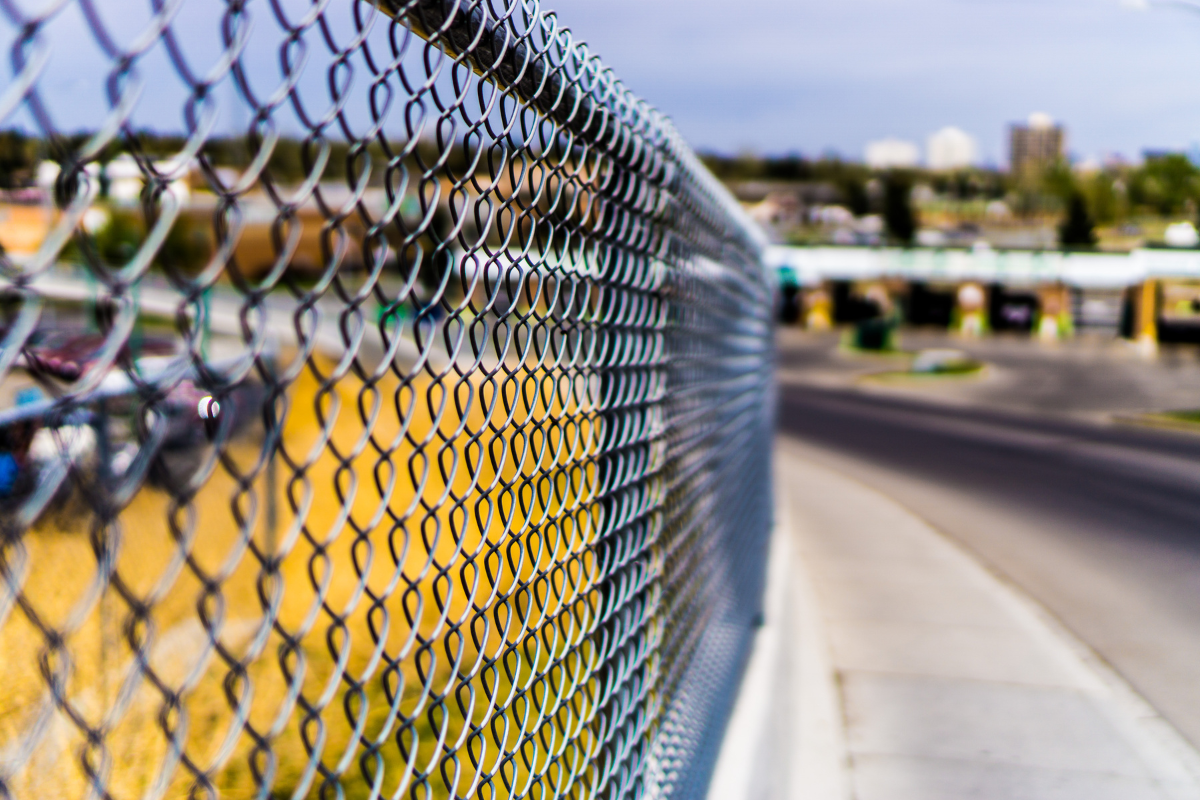
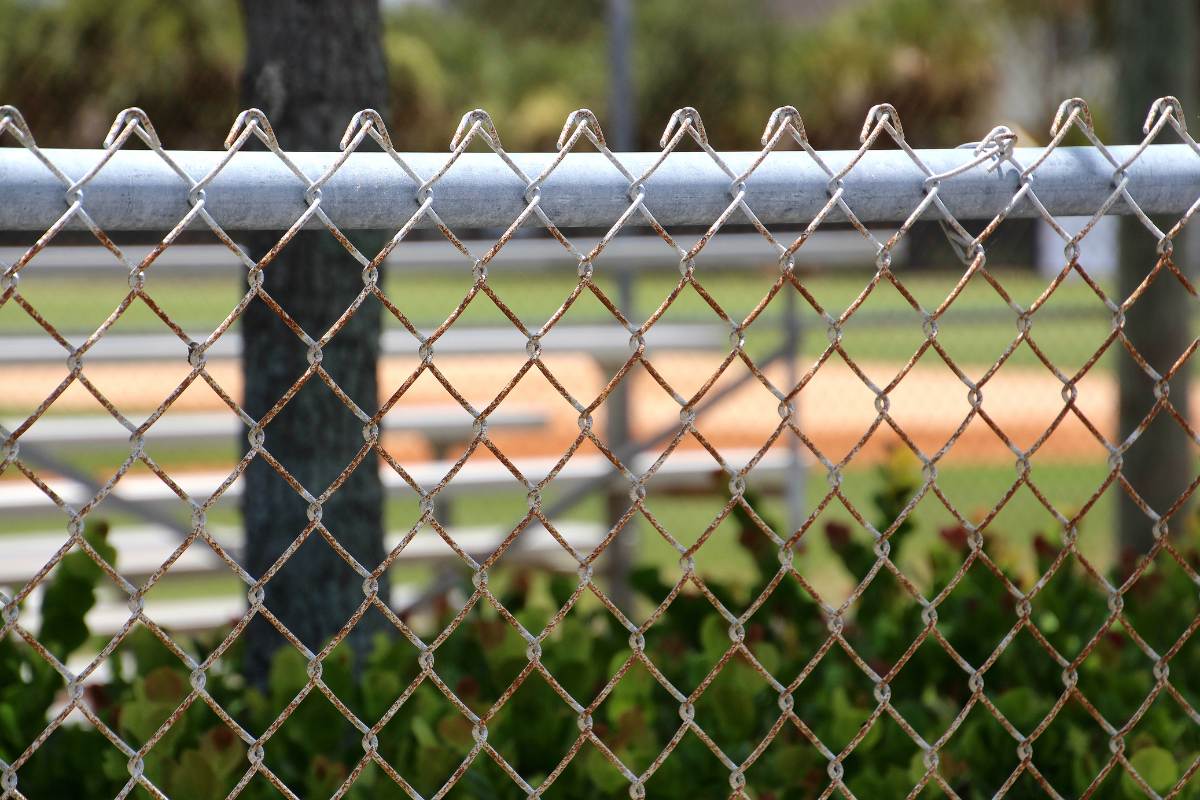
Most chain link fences fail at the posts, not the fabric. When a post leans, the fence loses tension, the top rail bows, and the mesh sags or ripples. Left alone, a single lean telegraphs down the line and deforms adjoining bays. The good news is that leaning posts are usually repairable without replacing an entire fence run. The better news is that the right repair restores strength for years, not months.
I’ve repaired hundreds of leaning chain link posts on homes, schools, warehouses, and ballfields. The underlying causes repeat with different faces: frost heave, poor concrete collars, shallow footings, undersized posts, wind load from privacy slats, soil washout near sprinklers, and damage from vehicle tires or mowers. A professional approach starts with a diagnosis, not a shovel, then matches the repair method to the cause so we do the job once.
What a Leaning Post Is Trying to Tell You
A chain link post does not lean for no reason. Concrete doesn’t move without help. When I arrive on site, I read the fence like a story.
On stretches with winter frost, I check for heave. If a footing is bell-shaped at the bottom or lacks a gravel pad, frozen soil can lift the whole mass. In clay soils that hold water, I look for a polished sheen where the concrete slid in a pocket. Along driveways, a crease on the post at bumper height tells me someone nudged it. On taller fences with privacy slats, a lean that increases toward the top rail signals wind load working on an undersized terminal or line post.
Water and grading betray themselves too. Gutters that dump near a fence corner, sprinklers that soak one side, or beds covered with impermeable plastic can soften soil. Erosion leaves voids alongside footings, especially on slopes. In coastal zones, hot-dip galvanizing lasts, but the buried section of a post can rot where oxygen and moisture meet. I probe with a screwdriver at ground level. If it sinks through the wall of the post, the metal has thinned to paper.
The fix depends on what we find. Shallow footings and undersized posts demand new concrete and sometimes heavier steel. Frost heave calls for deeper footings with a drainage base. Isolated impact damage might accept a sleeve or a post section replacement. Soil washout requires grading changes or drainage. Without solving the root, the lean returns.
Anatomy of a Proper Chain Link Post
Chain link fencing looks light, but the structure is specific. A standard residential line post is often 1-5/8 inches in outer diameter, 16 or 17 gauge. Corners and gates on six foot fences bump to 2-1/2 inches or 3 inches. Footings vary with height and soil, but a common rule is a depth of at least 30 inches for four foot fences, 36 inches for six foot fences, and 42 inches or more for eight foot fences, with diameters of 8 to 12 inches. In frost regions, the bottom of the footing must sit below the frost line. In expansive clay, a wider bell at the bottom can reduce uplift, but the shaft above should be straight, not flared to the surface, to avoid a “pump” effect during freeze-thaw.
Concrete matters too. We use a 3,000 to 4,000 psi mix with clean stone, not leftover slurry. A gravel bed at the bottom, 3 to 6 inches thick, is cheap insurance for drainage. Posts need to be plumb in both directions and aligned on string lines, with top rail set level or following grade depending on the design. Tie wires should be taut but not tortured. All of this sounds basic, yet most leaning posts I see trace back to shortcuts taken at installation.
When Straightening Beats Replacing
If the post itself is straight and unbent, and the footing is intact but shifted, we can sometimes realign and resecure. This scenario shows up after a minor impact or a partial frost heave where the soil settled back. We excavate around the footing until we expose the top half, then use pry bars and a jack to bring the post to plumb. We roughen the surface of the old concrete, drill and set rebar dowels into it for mechanical bonding, and pour a new collar that locks the footing into undisturbed soil.
This approach works when the existing footing is deep enough and the post is structurally sound. If the lean came from a shallow plug of concrete, there is nothing meaningful to tie into. In that case, brace the fence, cut the ties, and plan for a full footing replacement.
The Repair Workflow That Holds Up
Every chain link fence repair starts the same way: stabilize the fabric, control tension, and isolate the failing post. This prevents a domino effect where nearby posts go out of alignment as you work.
- Pre-check and stabilization Walk the fence line and mark all suspect posts, not just the obvious leaners. Measure post diameters, height of fence, mesh gauge, and top rail size to match parts. Release tension carefully. Loosen the tension bands at the nearest terminal or gate post, then relieve pull on the failing post. Use temporary braces to hold the neighboring posts plumb. Protect the fabric. If you need to lay it down, roll it neatly like a carpet to avoid kinks. Correction and rebuild Excavate appropriately. For a replacement footing, dig to the required depth, usually below frost line if applicable, with clean sides. Augers speed this up but don’t oversize the hole. Set the post. Use a post level with two vials. Sight along a taut string to keep the line true. We set posts at least 2 inches above ground to prevent soil wicking moisture into the steel. Concrete right. Tamp the mix to remove voids. In hot weather, shade the pour from direct sun and mist it for a day. In cold weather, use warm water in the mix and insulate the top overnight. Re-tension the fabric. Once the concrete has gained initial set strength, typically the next day for light tension, reconnect the tension bar to bands and pull the fabric tight with a come-along or ratchet puller.
That’s a bird’s-eye view. The devil is in how we adapt for special cases.
Special Cases That Complicate Leaning Posts
Gate posts take a beating. A sagging chain link gate often indicates a leaning hinge post or a bowed latch post. If the gate frame is square but drags, check the posts. Gate posts want deeper, larger footings than line posts. For a six foot chain link gate three to four feet wide, a 12 inch diameter footing at 36 to 42 inches deep is typical. On double gates, upsize the latch post and consider a drop rod receiver set in its own small pier to carry weight when the gates are closed. I’ve corrected many double gates by rebuilding the latch post footing and adding an adjustable hinge so the fabric doesn’t carry the load.
Corners and end posts resist tension from multiple directions. If a corner post leans, the whole fence loses geometry. The fix is rarely cosmetic. Replace undersized corner posts with heavier wall pipe and add appropriate bracing. A simple diagonal truss rod and brace rail from the corner to the adjacent line post spreads load, especially on long runs. Some chain link fence companies skimp on braces to save time; the failure shows up years later when wind and tension win.
Privacy slats change wind behavior. A four foot fence with full slats can act like a sail. If the original chain link fence installation used line posts sized for open fabric, you may see uniform leans after a winter storm. In these cases, add mid-braces and in some runs increase the post size. For coastal or high-wind microclimates, top and bottom rails help share load. I’ve seen eight foot fences with slats survive 60 mph gusts when built with 2 inch line posts at 8 foot spans and continuous rails. The same slats on 1-5/8 inch posts at 10 foot spans suffered visible leans within a season.
Hillsides invite trouble. On sloped grades, stepped or racked fences concentrate forces irregularly. Water runs under the downhill side, undermining footings. We often dig deeper and bell the bottom slightly on the downhill side, then backfill with compacted angular stone around the upper half for drainage. I also cut a small swale upslope to keep water from pounding the post.
Urban bump zones are a category of their own. In alleys and parking pads, the bottom of a post takes repeated knocks from bumpers and bins. Here, a thicker wall post matters, and so does a concrete mow strip. A six inch tall, eight inch wide strip under the fence fabric protects the lower mesh and limits erosion around the base. When repairing, I often pour a new collar that keys into a short mow strip to tie the system together.
Tools and Materials That Make the Difference
A professional chain link fence contractor shows up with more than a post-hole digger. For leaning post repair, I rely on a set of basics that speed the job and improve results.
- Alignment and tension tools: Two-way post level, string lines, line blocks, come-along with chain, grip hoists, tension bars in multiple heights, extra tension bands and nuts. Excavation and concrete gear: Clam-shell digger, 8 or 10 inch auger where access allows, trenching spade, digging bar, mixing tub or portable mixer, rebar dowels and epoxy, 3/4 inch clean stone for drainage, 3,000 to 4,000 psi concrete mix, finishing trowel, curing blankets in cold weather. Metalwork and fastening: Self-tapping screws, brace bands, rail ends, truss rod assemblies, galvanized wire ties, 9 gauge tension wire, pipe sleeves for splices, cut-off saw or bandsaw for damaged sections. Protection and repair consumables: Cold galvanizing spray for cut ends, bituminous coating for below-grade sections, polyurethane sealant where concrete meets post above grade to shed water.
Not every job requires every item, but when you need a brace band at 5 pm and don’t have it, the day ends badly.
Repair Methods, Chosen With Intent
Picking the right approach depends on what failed. I sort leaning posts into a few repair families.
Straighten and collar. The footing is deep but shifted and the soil around it is competent. Excavate around the top third of the footing. Jack or pry the post to plumb using a timber and a bottle jack against a temporary brace. Drill two to four rebar anchors into the existing concrete, embed with epoxy, then pour a new collar that interlocks with the old. This binds the mass to surrounding soil and resists future movement. I use this sparingly where frost isn’t the culprit.
Full footing replacement. The post and concrete plug come out together. This is common with shallow or underdiameter footings, severely tilted footings, or rotten posts. Disconnect the fabric, cut the ties, and extract the unit with an engine hoist or brute force after loosening the soil. Dig a proper hole, set a new post, and pour to spec. When schedule matters, set the post in dry pack and add a small amount of water, but only when you can brace perfectly. I prefer a true mix whenever possible.
Sectioned post repair. If the below-grade post is sound but a mid-span kink caused the lean, cut out the bent section and sleeve in a new piece. Use a snug-fit galvanized sleeve 12 to 18 inches long, set with self-tapping screws through both layers. Coat the cut ends with cold galvanizing. This saves the footing and avoids a full dig, but you must verify the buried portion is healthy.
Base stabilization. When erosion caused the lean, rebuild the soil profile. Excavate voids, compact in lifts with angular stone and soil, add a geotextile if the subsoil is mushy, and regrade to direct water away. Supplement with a mow strip or a small retaining curb if lawn equipment or drainage is a recurring threat. Sometimes the footing is adequate, and a soil fix is the true cure.
Upsizing and bracing. For fences carrying extra load, replace undersized posts and add braces. Corners get horizontal braces and truss rods. Long runs benefit from mid-braces every 50 to 100 feet. With privacy slats, reduce post spacing from 10 feet to 8 feet when feasible. If the chain link fence company that installed the fence didn’t build for the added wind load, a repair is your moment to do it correctly.
What Homeowners Often Ask
How long will the repair last? Done right, a rebuilt footing and new post should match the lifespan of a new section, often 15 to 25 years depending on climate and galvanizing. Straighten-and-collar jobs can last years, but if frost or drainage remains, expect to revisit them sooner.
Can you fix the lean without replacing concrete? Sometimes. If the footing is sound and your region has shallow frost, a collar fix can hold. If the post is rusted thin at grade, no collar will save it.
Why do my posts lean every spring? That’s frost heave signaling footings that are too shallow or poorly drained. The solution is deeper holes with gravel pads and non-flared sides, sometimes with foam insulation boards angled out from the footing to separate it from freezing soil.
What if my fence has privacy slats? Assume higher wind load. Your chain link fencing services should verify post size, spacing, and bracing match the new load. Cheaper to do it once than to chase lean after every storm.
Is there a way to reinforce without digging? Surface-mounted sleeves and screw-in anchors exist, but they are stopgaps. I’ve used screw anchors on temporary jobsite fencing with success. For permanent chain link fencing, especially around homes and businesses, below-grade concrete is the backbone.
Cost, Time, and Disruption
A single line post repair with straightforward access often takes two site visits: one to set the new post and concrete, one to re-tension and finish. Labor ranges with region, but expect two to four hours of site time across both days, plus curing time. Costs rise with corner or gate posts, sloped sites, privacy slats that must be removed and reinstalled, and hardscape cutting if a footing sits in a sidewalk or asphalt.
When part of the fence runs along a neighbor’s property, factor in coordination. It’s better to notify both sides and agree on access rather than rely on tight working corridors. Professional crews carry fence jacks and strap braces that minimize fabric removal, which reduces downtime.
Small Mistakes That Cause Big Problems
I’ve revisited a number of repairs done by handymen or hurried crews. Most failed for predictable reasons. They poured concrete to grade, creating a “mushroom” that catches mower wheels and funnels water down the post. They set posts without a gravel base so water had nowhere to go. They skipped bracing a gate post because the gate seemed to swing fine on the day of the job. They tied the fabric in a rush, over-twisting ties so they snapped later. They forgot to spray cold galvanizing on cuts, allowing rust to creep from the fresh steel.
Even with good technique, weather can betray you. Setting posts in a deep freeze without insulating blankets weakens the early cure. Pouring in blazing sun without moisture control causes thermal cracking and a loose feel around the post weeks later. A professional chain link fence contractor watches the forecast and adjusts. In marginal weather, I plan smaller pours, use set accelerators or warm mix water, and always give the concrete a fair shot at curing.
Details That Elevate a Repair to a Rebuild
Once the post stands plumb in a proper footing, the finish work puts the fence back in fighting shape. I prefer a tension wire along the bottom on residential fences. It adds resistance to dogs nosing under and helps the fabric hold shape between posts. On taller fences, a mid-rail can take the load off the top rail and reduce the tendency for posts to lean under wind.
Where lawn meets fence, I recommend a simple mow strip. Six inches wide, four to six inches deep, flush with grade, smooth-edged. It discourages weeds, protects the lower mesh, and keeps trimmer string from chewing the fabric ties. When we repair a leaning post, we sometimes extend the pour into a short mow strip section around the base to anchor freshly disturbed soil.
Hardware matters. Upgrade to heavier gauge tension bands and add one or two more if the run is long. Swap out undersized brace bands on corners for sturdier versions. Use stainless steel nuts in corrosive environments. Tighten everything with proper torque, not just finger-tight plus a shrug.
Choosing the Right Partner for the Job
You can do some repairs yourself, especially if the post is accessible and you’re comfortable with concrete. But if the lean sits at a gate, in a tight alley, or on a fence with slats in a windy corridor, it pays to hire a chain link fence company with the right equipment and judgment. A good estimator will ask about soil, frost depth, wind exposure, and drainage. They’ll measure post sizes instead of guessing. They’ll discuss whether to upsize a corner, add bracing, or reduce spacing on a slatted run. They will not promise to straighten a severely heaved footing with a quick tug and a bag of mix.
Chain link fencing services worth their salt document the cause, propose a fix that addresses it, and stand behind the repair. Look for crews that show up with proper bracing gear, tension tools, and enough hardware on the truck to adapt. If a contractor suggests cutting a bent post and hammering in a short sleeve without inspecting below grade, be cautious. If they recommend a full footing replacement for a minor shift with a deep, healthy https://sethmlqe782.lucialpiazzale.com/long-lasting-chain-link-fence-repair-you-can-rely-on footing, ask them to explain why. The best pros talk through options and trade-offs.
A Practical Case Study
An eight foot fence around a small industrial yard developed a noticeable lean along the west side after a fall storm. The fence had full privacy slats. Three line posts leaned 2 to 3 inches at the top over a span of 30 feet, and the corner post at the southwest was out a full four inches. The original chain link fence installation used 1-7/8 inch line posts at ten foot centers with 2-1/2 inch corners and no mid-rails, appropriate for open fabric but light for slats in a gusty corridor between buildings.
We could have straightened and collared the line posts, but the wind load would have brought the lean back. Instead, we replaced the three line posts with 2 inch heavy-wall posts, tightened spacing by adding one new post to split a bay, and installed a mid-rail. At the corner, we upsized to a 3 inch post and added a brace and truss rod assembly. All footings went to 42 inches with 10 to 12 inch diameters, below the local frost line. We reinstalled the slats and adjusted the tension. That section has stood through two winters and several 50 mph wind days without movement.
Preventive Habits that Keep Posts Upright
Once the repair is done, a little care goes a long way. Keep sprinklers from soaking the base of posts daily. Redirect downspouts that discharge near fence corners. Avoid piling mulch or soil against the posts, which traps moisture and accelerates corrosion. If you mow, consider a mow strip or at least a narrow gravel border to reduce trimmer damage. If you add privacy slats later to an existing open chain link, talk to a chain link fence contractor first about whether your posts and spacing can handle the new load.
For snow-prone areas, remind plow operators where the fence line sits. Pushing snow against a fence creates sustained lateral load. In yards with large dogs, add a bottom tension wire and, if needed, a buried apron of fabric extending inward to discourage digging under, which can expose footings.
An annual walk is enough. Sight along the top rail for humps and dips. Push on suspect posts. Check that tension bands and brace connections are snug. A quarter turn on a loose nut or a small drainage tweak can save you a major repair later.
Where Experience Pays Off
Good fence work looks simple from the sidewalk. A straight line of posts, a level top rail, fabric pulled tight. The complexity hides underground and in the loads the system must resist day after day. Repairing a leaning post is not just a matter of making it look straight for the moment, but of building a footing, a post, and a connection that absorb wind, weight, frost, and human behavior without giving up.
Whether you hire a chain link fence company or tackle a repair yourself, use the lean as a message. Find the cause, choose the repair that addresses it, and put a bit more steel and concrete where the forces demand it. Chain link fencing has earned its reputation for durability because, when built or repaired with care, it shrugs off hard use for decades. The post is the heart of that promise. Keep it upright, and the rest of the fence will follow.
Southern Prestige
Address: 120 Mardi Gras Rd, Carencro, LA 70520
Phone: (337) 322-4261
Website: https://www.southernprestigefence.com/